Reliable tissue supply is built through a connected quality process rather than a single final inspection. For a buyer, the important question is how the approved brief moves through material review, product development, production, packaging, and shipment preparation. When each stage has a clear purpose, it becomes easier to compare samples, approve a product, and manage repeat orders.
Turn the buyer brief into quality checkpoints
Quality begins when the order is defined. Record the product category, intended use, material expectations, sheet or roll format, ply, count, pack structure, artwork, case information, and destination requirements. A precise brief gives the development and production teams a common reference. It also makes later checks more useful because the result can be compared with an approved specification instead of a general description such as soft, strong, or premium.
Review incoming materials
Incoming materials influence the product’s feel, strength, absorbency, appearance, converting performance, and packaging stability. The first checkpoint is therefore a review of the materials and components selected for the approved format. Buyers should ask which characteristics are controlled at this stage and how any approved material change will be recorded. This is especially important for products that involve lotion, formula development, printing, embossing, or other features that connect the material to the final pack.
WEIMEI PAPER describes an R&D focus covering material selection, formula development, performance validation, and packaging compatibility. These activities help translate a buyer’s intended use into a product and pack combination that can be reviewed before routine production begins.
Monitor the production process
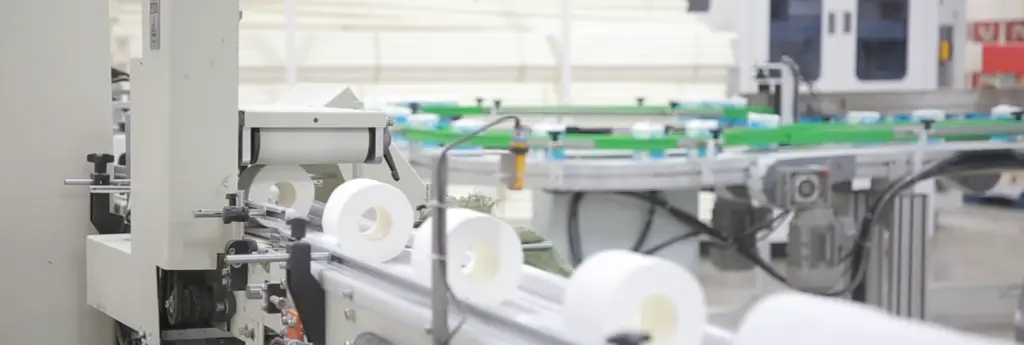
In-process checks connect the approved sample with the product being converted and packed. Depending on the category, the review may include sheet or roll dimensions, ply, count, fold or winding, embossing, cut edges, appearance, dispensing, sealing, and print alignment. The exact checkpoints should follow the approved specification. The aim is to identify variation while the product is still in production, when the relevant team can investigate and correct the cause.
Use clean production and testing appropriately
WEIMEI PAPER’s supplied company profile identifies a 6,000 m2 Class 100,000 cleanroom and a 2,000 m2 independent R&D laboratory. The profile also describes microbiological testing supported by the clean workshop. These facts describe the company’s operating capabilities. A buyer should still confirm which controls and records apply to the specific product, material, market, and order under review.
The company was founded in 2011 and has three production bases: the Fuzhou headquarters, the Jiujiang production base, and the Laibin production base in Guangxi. The three production bases have a combined designed annual production capacity of 100,000+ tons per year. The company has around 300 existing employees. This operating footprint supports a broader supply network, but the buyer’s approval should remain tied to the actual product specification and agreed quality checkpoints.
Inspect the finished product and the pack
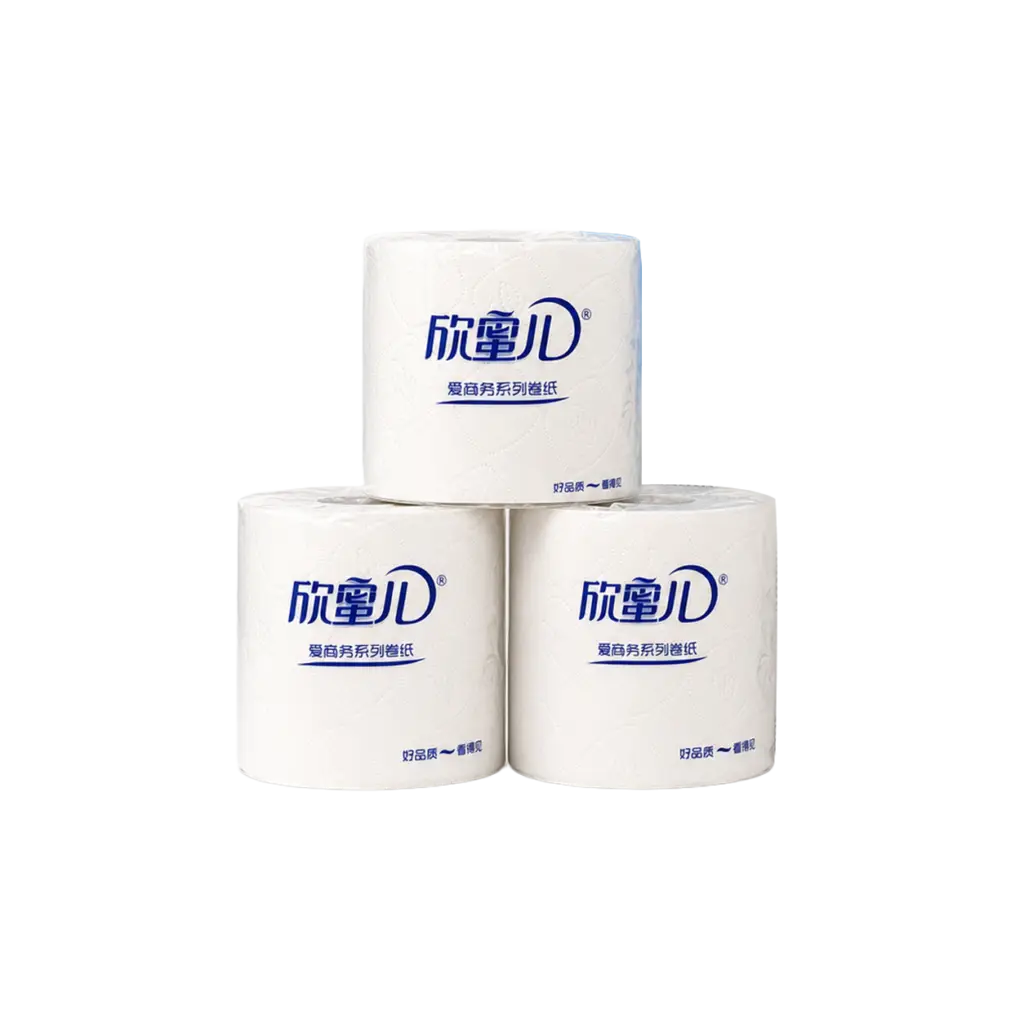
Finished-product inspection should verify the characteristics that made the sample acceptable. Review physical and appearance requirements, product count, format, packaging integrity, print information, and case identification as appropriate to the order. A pack can look attractive and still create problems if the opening does not work, the product is not positioned consistently, or the consumer pack and master carton identify different variants.
Complete pre-shipment review
Before release, compare the approved sample, current specification, inspection findings, artwork, packing information, and shipment documents. Any deviation should be recorded and resolved through the agreed approval process. A buyer may also request product photographs or inspection records suitable for the program, but the record should always identify the exact product and order context.
WEIMEI PAPER’s quality description follows five practical stages: incoming raw-material inspection, in-process production inspection, finished-product inspection, microbiological testing, and pre-shipment inspection. Used as a shared discussion framework, these stages help purchasing, product, and quality teams ask the same questions and protect consistency as an order moves from development to delivery.
Related resources: Review WEIMEI production and quality capabilities | Explore paper product categories | Send a quality and supply brief