Retail tissue packaging has to protect a soft product, communicate the offer, survive handling, and fit the channel where it will be sold. The right choice depends on the tissue format and the buyer experience, not on packaging material alone. A clear packaging brief helps product, artwork, production, and logistics teams make compatible decisions from the beginning.
Match the package to the tissue format
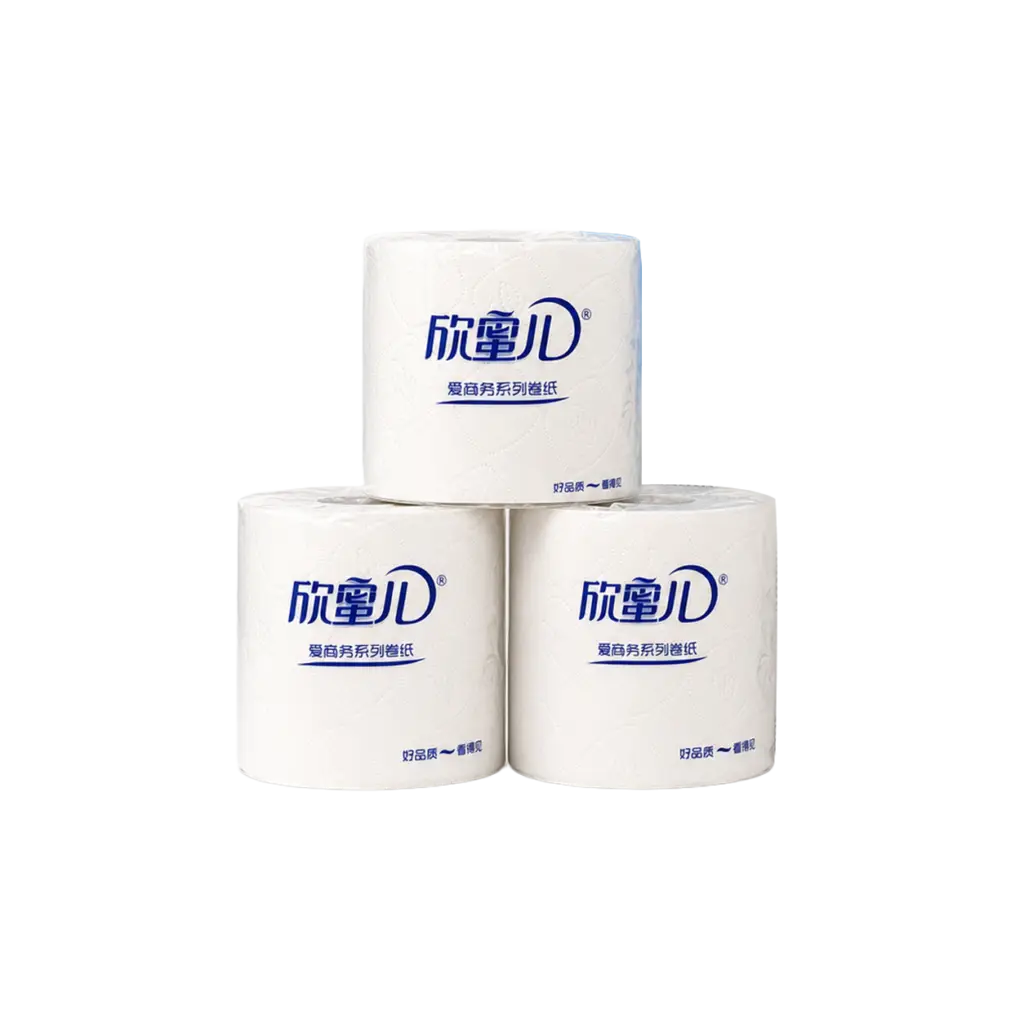
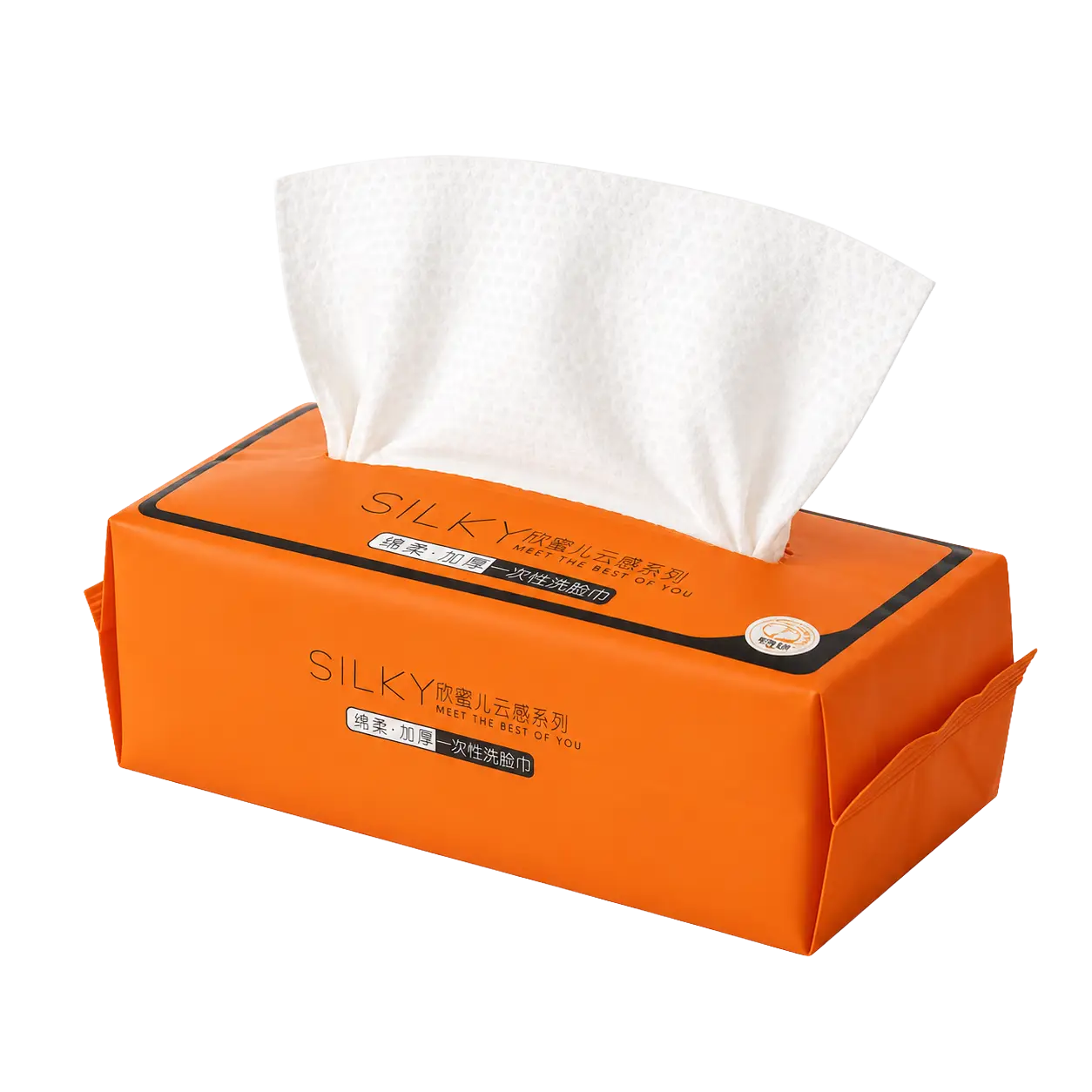
Start by listing the product format and how the consumer will use it. Box facial tissue, soft-pack facial tissue, pocket packs, toilet tissue, napkins, kitchen towels, hand towels, wipes, and hanging packs each create different requirements for opening, dispensing, stacking, moisture protection, and storage. A package designed for a compact pocket pack should not be treated as a smaller version of a retail carton. The opening, sealing method, dimensions, and artwork area may all change.
Balance protection and presentation
Retail packaging should keep the product clean and stable during handling while showing the product identity clearly. Review the expected shelf environment, transport route, case configuration, and storage conditions. Check whether the package needs extra resistance at the opening, corners, seals, or handles. For soft packs, inspect film or laminate performance, seal integrity, and the way the pack holds its shape. For cartons, inspect board structure, folding accuracy, opening function, and resistance to compression.
Protection is also part of the brand experience. A crushed carton, loose seal, or difficult opening can make a good tissue product feel unreliable. Ask the manufacturer to review the complete pack rather than approving only a flat artwork file or a single empty mock-up. The physical pack should be tested for fit, opening, dispensing, stacking, and case packing before the production version is released.
Plan printed information before artwork
Make a list of mandatory and variable information before designing the front and back panels. This may include product name, tissue format, sheet or roll information, count, material description, usage guidance, barcode, origin details, importer or distributor information, and recycling or disposal instructions required for the target market. The exact legal requirements depend on the destination market and buyer responsibility, so the buyer should provide the approved text and confirm it before printing.
Separate information that changes by SKU from information that should remain consistent across the family. This reduces artwork errors when several counts, sizes, colours, or fragrances share one visual system. It also makes future line extensions easier to manage. Keep the final text, translations, barcodes, colour references, and dieline version in one controlled approval file.
Consider the whole logistics unit
A retail pack is only one part of the shipment. Confirm inner packs, master cartons, carton markings, pallet or loading requirements, and the way the product will be handled at the buyer warehouse. A visually attractive pack that creates unstable cases or excessive empty space can increase damage and handling effort. Ask for the packed dimensions and case configuration early enough for the logistics review to influence the final design.
Use development and production feedback
WEIMEI PAPER describes packaging coordination as part of its R&D and OEM/ODM workflow. That matters because packaging decisions interact with material selection, product performance, printing, converting, and delivery. Review the artwork with the product and production teams before final approval. Confirm that the chosen dimensions match the tissue fold or roll, that the opening can be converted as designed, and that the case pack works with the finished product.
Build a reusable packaging specification
For repeat retail supply, keep a packaging specification that records the product format, pack dimensions, materials, print references, artwork file, barcode, case pack, carton markings, and accepted sample. Note the revision date and identify every approved change. This prevents an old artwork file or an earlier pack dimension from returning to production by mistake.
The best retail packaging decision is a coordinated one. Define the use case, match the structure to the tissue, confirm protection and opening, prepare compliant information, review the logistics unit, and approve a physical sample. With those steps documented, buyers can move from a good-looking concept to a package that is ready for production and repeat retail supply.
Related resources: Review tissue packaging options | See packaging and OEM capabilities | Discuss your retail pack brief